

The mirror can be deceiving when it comes to health. Many people who appear slim, toned, or “normal weight” are actually carrying dangerous levels of fat in a place they cannot easily see: deep within the abdominal cavity. This hidden fat — known as visceral fat — poses just as great a health threat as the obesity visible on those who are more obviously overweight, yet it often goes completely undetected until serious medical complications arise.
The disconnect between outward appearance and internal fat levels is at the heart of a phenomenon doctors call “normal-weight obesity” or colloquially “skinny fat.” Research has found that a significant percentage of individuals with normal BMI readings carry visceral fat volumes that exceed safe limits. Their blood work may reveal elevated triglycerides, early insulin resistance, or signs of liver stress — all driven by invisible fat that surrounds their internal organs.
Waist circumference is the most practical clinical tool for identifying this condition without sophisticated imaging. A high waist measurement — even in someone who looks lean — indicates the presence of visceral fat and warrants further investigation. This is why health practitioners increasingly measure the waist as part of routine assessments, rather than relying solely on weight, BMI, or visual inspection.
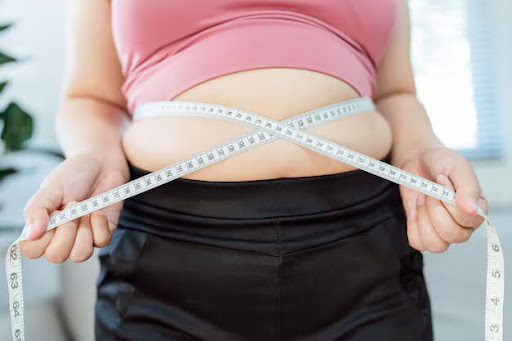
Measuring your own waist requires only a few seconds and a tape measure. Position the tape at the midpoint between your lowest rib and your hip crest, keep it level and snug, and read the measurement after breathing out gently. If the number exceeds the recommended limit for your ethnic background and sex, it is worth consulting a healthcare provider who can assess your metabolic health more comprehensively.
The practical message here is empowering: even if you do not look overweight, your waist may be telling you something important. Take the measurement, take it seriously, and take action. Whether through dietary reform, increased physical activity, or professional guidance, reducing visceral fat is possible — and the health benefits of doing so are substantial and wide-ranging.
