

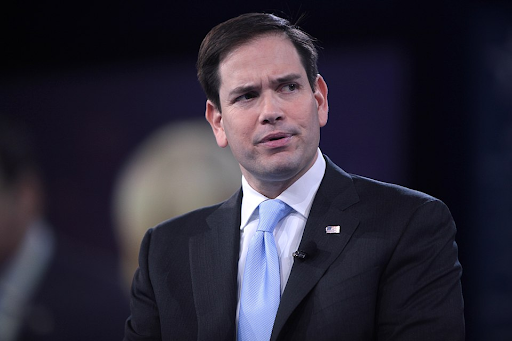
Secretary of State Marco Rubio and Republican Senator Jim Risch disclosed previously unknown operational details about the Venezuela military intervention during Wednesday’s Foreign Relations Committee hearing, revealing approximately 200 American troops participated in a firefight lasting less than 27 minutes in the capital city of Caracas. The disclosures provided the first detailed public account of the controversial operation.
Committee Chairman Risch characterized the mission as exceptionally brief, targeted, and successful in achieving its objective of removing Nicolas Maduro from power. He suggested that Venezuela might require sustained American and international oversight to ensure future elections meet democratic standards. The operational details added concrete information to an intervention that had generated significant international debate and concern among allies.
Rubio defended the operation as eliminating a major national security threat in the Western Hemisphere, arguing that America is demonstrably safer as a result. He emphasized cooperation with interim authorities and outlined economic frameworks including restoration of limited oil sales with strict Treasury oversight. The Secretary projected continued improvements in Venezuela’s situation over coming months while backing away from suggestions that additional military action might prove necessary.
Democrats expressed deep skepticism about the intervention’s effectiveness given that most former Maduro regime members continue controlling governmental institutions. Senator Shaheen questioned trading one authoritarian leader for his former associates and challenged presidential focus on foreign conflicts while Americans face domestic economic pressures. She characterized the approach as spending more and risking more while achieving less.
The hearing also addressed broader foreign policy concerns including Greenland, NATO tensions, Iran, and China. Rubio sought to reassure allies disturbed by Trump’s aggressive rhetoric while defending the president’s confrontational diplomatic style. He maintained that fundamental American commitments remain intact despite contentious debates about alliance burden-sharing and defense spending.
