
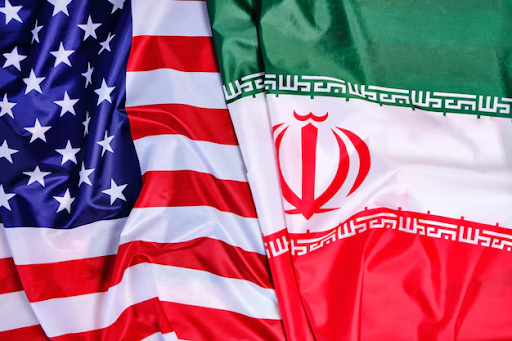
The Islamic Republic has placed American military forces throughout the Middle East on notice as potential targets following President Trump’s threat to intervene over Iran’s handling of nationwide protests. Iran’s parliament speaker delivered the Friday warning as tensions between Washington and Tehran reached dangerous levels.
Violent confrontations between protesters and security personnel have claimed seven lives since demonstrations began Sunday. The unrest represents the most significant domestic challenge to Iranian authorities in recent months, driven by catastrophic economic conditions that have devastated citizens’ purchasing power.
Trump’s statement that America would take action if Iranian forces employ lethal measures against peaceful demonstrators has drawn fierce resistance from Tehran’s power structure. A senior adviser to Supreme Leader Ali Khamenei warned that US involvement would trigger widespread chaos throughout the region, potentially destabilizing multiple countries.
Economic grievances are at the heart of the protests. Demonstrations originated with Tehran shopkeepers condemning government policies after the rial collapsed and inflation reached 42.5 percent in December. With one dollar now worth approximately 1.4 million rials, ordinary Iranians struggle to afford basic goods while wages stagnate, creating economic distress that has exhausted public tolerance.
President Pezeshkian’s civilian government has attempted to project receptiveness to public concerns. Speaking on state television, Pezeshkian used Islamic language to frame addressing economic welfare as a moral obligation. Despite this sympathetic rhetoric, he has admitted having few tools to reverse the currency crisis. The prosecutor general has tried to distinguish legitimate economic protests from security threats, validating the former while promising decisive responses to the latter, though maintaining this distinction grows increasingly difficult.
