

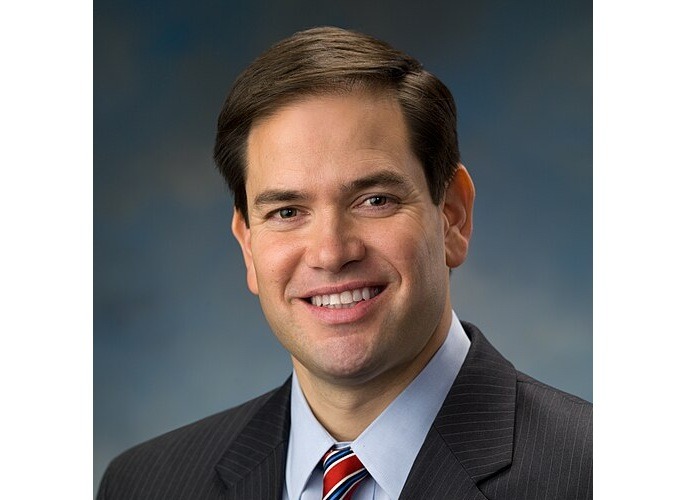
The United States is contemplating the termination of a temporary waiver that has allowed nations like India to continue purchasing Russian oil. This waiver, introduced in March to mitigate disruptions in the global energy market due to escalating tensions in the Middle East, is currently set to expire on June 17. US Secretary of State Marco Rubio indicated that the waiver was designed as a short-term solution to stabilize global oil supplies. However, the overarching US policy remains focused on maintaining sanctions against Russian energy exports.
During a congressional committee session, Rubio expressed the US’s intention to conclude the waiver when conditions permit, although the ultimate decision lies with the Treasury Department. The cessation of this waiver could impact India significantly, as the country resumed its imports of Russian crude oil following supply disruptions from the Gulf region caused by regional conflicts and shipping challenges in the Strait of Hormuz. Russian oil has continued to be a crucial energy source for India due to its favorable pricing and availability.
The US has also been encouraging India to diversify its energy import sources and reduce its dependency on Russian oil. Recent dialogues between Washington and New Delhi have included discussions on commitments related to energy sourcing, forming a part of broader trade and economic negotiations between the two countries.
Should the waiver not be renewed beyond the June 17 deadline, India might need to increase its imports from alternative oil suppliers. This shift could lead to higher energy costs and necessitate adjustments in India’s crude procurement strategies. The potential changes in India’s energy import dynamics underscore the broader implications of US foreign policy decisions on global energy markets.
