

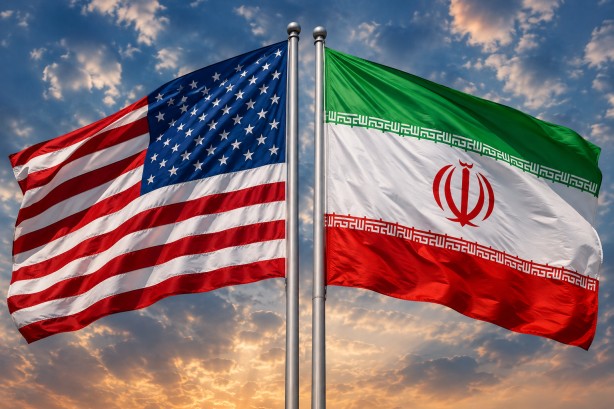
The fragile ceasefire between the United States and Iran has been severely tested following a significant escalation in military actions by both countries. The United States recently conducted airstrikes on approximately 80 targets linked to Iran’s military, a move officials described as necessary to safeguard navigation in the critical Strait of Hormuz. These actions were prompted by Iran’s targeting of three commercial ships traversing the strategically vital waterway.
In retaliation, Iran launched missiles and drones at U.S. military bases located in Bahrain and Kuwait. The Iranian government also unveiled a new military strategy, declaring that it would view the United States and its allies in the region as equal adversaries in any forthcoming conflict. Despite these tensions, U.S. President Donald Trump has indicated that while ready to take further military measures if necessary, he does not anticipate the situation escalating into a prolonged war.
This renewed bout of hostilities has put significant pressure on the ceasefire agreement, which was originally designed to pave the way for discussions on Iran’s nuclear program, possible easing of sanctions, and long-term security issues concerning the Strait of Hormuz. The United States argues that Iran’s recent actions against commercial vessels breach international maritime security laws and justify the military response. Conversely, Iran insists on its right to control shipping traffic through the strait.
The heightened conflict has also sparked concerns over potential disruptions to one of the world’s key energy shipping lanes, causing global oil prices to climb. Both nations face mounting pressure to resolve the tensions to prevent further instability and economic repercussions in the region and beyond.
