

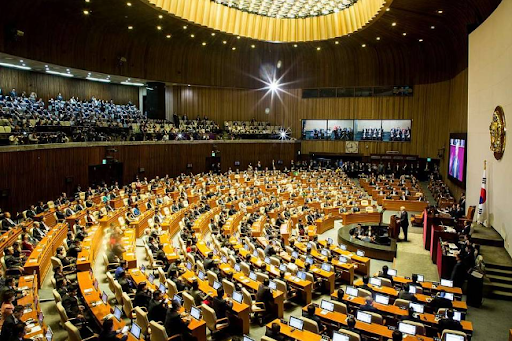
South Korea is scheduled to implement a groundbreaking set of artificial intelligence regulations on January 22, 2026, a move that would make it the first country in the world to enforce a fully comprehensive AI regulatory framework. The new act mandates the creation of a national AI committee, the development of a three-year basic plan for the industry, and the imposition of strict safety and transparency requirements, including disclosure obligations for certain AI systems. While the European Union was the first to pass similar legislation, its implementation is staggered, with full enforcement delayed until 2027 due to business pressures. In contrast, South Korea’s rapid timeline has sparked significant anxiety within the tech sector, particularly among smaller firms who fear the comprehensive rules could stifle growth and innovation.
The preparedness gap in the industry is stark, with a recent survey by the Startup Alliance revealing that 98% of local AI startups have yet to establish a response system to comply with the incoming law. Nearly half of the respondents admitted to being unfamiliar with the regulations entirely. Industry officials argue that the timeline is unmanageable, as the specific enforcement decrees are expected to be finalized only shortly before the law takes effect, leaving companies with insufficient time to adapt. Critics warn that if the current schedule is maintained, many companies may be forced to suspend services abruptly or, worse, relocate to countries like Japan, which has adopted a softer, voluntary governance approach.
A specific point of contention involves the mandatory watermarking rules designed to curb deepfakes and misuse. Industry insiders argue that these labeling requirements are ambiguous and could unfairly devalue content that involves significant human effort alongside AI tools. There is a growing concern that consumers may turn away from content simply because it is labeled “AI-generated,” regardless of quality. Experts have voiced frustration that the views of content creators and industry professionals were not fully reflected in the legislation, warning that strict regulatory pressure could incentivize South Korean companies to launch their services overseas rather than domestically.
