

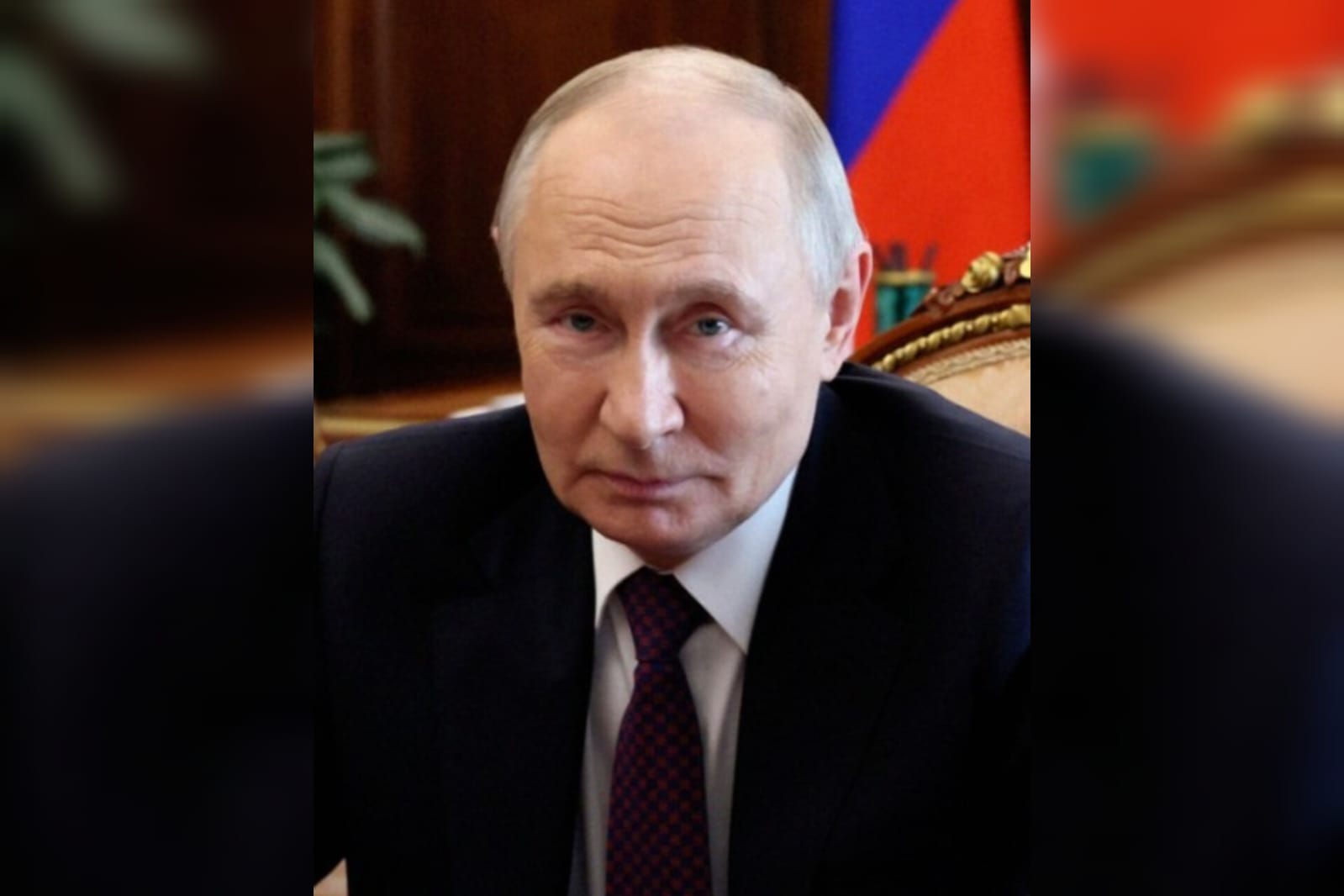
Russian President Vladimir Putin has acknowledged the impact of Ukrainian drone strikes on the country’s energy infrastructure, leading to noticeable disruptions in fuel supplies across Russia. While these shortages have yet to reach a critical level, the attacks on oil refineries and fuel facilities have significantly hindered Russia’s refining operations, causing several regions to impose fuel restrictions as authorities scramble to manage the fallout and repair the damaged infrastructure.
In response to the escalating situation, Putin announced plans to bolster fuel imports, enhance security measures around refineries, and expedite repair efforts to mitigate the effects of these strikes. The increased frequency and reach of Ukraine’s drone attacks underscore its growing capability to target strategic sites far beyond the immediate conflict zones.
The repercussions of these strikes are being felt most acutely in Crimea, where persistent attacks have severely disrupted fuel and transportation networks. This has resulted in long lines at petrol stations, sparking public frustration and a wave of criticism on social media platforms, as residents grapple with the ongoing shortages.
Ukraine has stated that its campaign against Russian energy facilities is designed to strain Moscow’s military operations by disrupting the fuel supplies essential for its war efforts. Despite these pressures, Putin remains resolute, affirming that Russia will continue to pursue its military objectives in Ukraine, undeterred by the supply chain challenges posed by the drone strikes.
