

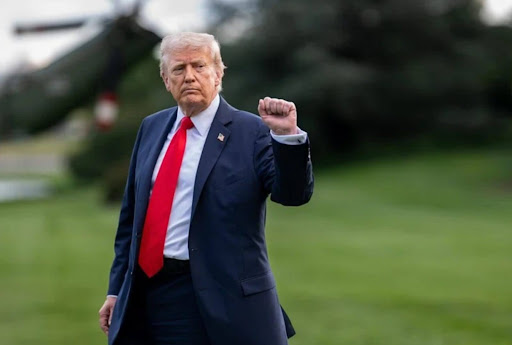
President Donald Trump signaled a diplomatic turn Monday, announcing that the United States would suspend military strikes on Iranian energy infrastructure for five days following promising talks with Iran. The announcement marked a notable departure from the aggressive military campaign the US had been waging for more than three weeks. Trump characterized the discussions as a step toward a comprehensive resolution.
Trump shared the development on Truth Social, writing that the two countries had engaged in “very good and productive conversations” centered on resolving the full scope of their hostilities in the Middle East. He described the talks as in-depth and constructive, and indicated they would continue throughout the week. The post was read by many observers as an attempt to build public optimism around the diplomatic process.
In concrete terms, the President directed the Department of War to postpone any planned strikes on Iranian power facilities and energy-related infrastructure for the five-day period. The decision was described as conditional, tied to the continued success of the diplomatic discussions. Military planners were reportedly adjusting their posture in response to the announcement.
Iran’s official response was defiant yet revealing. Its embassy in Afghanistan claimed the US had retreated in response to an Iranian warning that strikes on its energy sector would trigger attacks on energy infrastructure across the broader region. Tehran appeared eager to portray the pause as a product of its own strength rather than mutual diplomacy.
The next five days will determine whether this represents a genuine turning point in the US-Iran conflict or merely a temporary lull. Both governments face enormous domestic and international pressure to demonstrate leadership and results. The fate of Middle East stability, and global energy supply chains, may well depend on the outcome of this week’s talks.
