

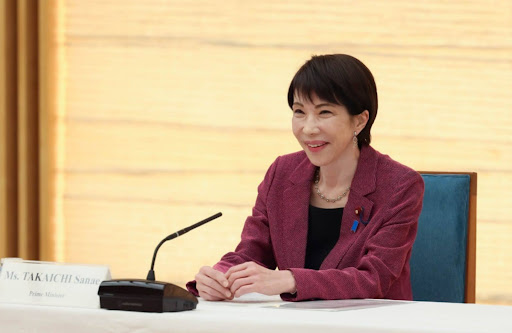
Japan is mobilising the largest oil reserve release in its history to guard against energy shortages stemming from the widening Middle East conflict. Prime Minister Sanae Takaichi confirmed that some 80 million barrels — 45 days’ worth of domestic demand — would be released to refiners starting this week. The government had already cleared the separate release of 15 days of private-sector reserves. Japan’s exceptional dependence on Middle Eastern crude, which accounts for more than 90% of its imports, has made the situation particularly acute.
The Strait of Hormuz, the narrow waterway linking the Persian Gulf to international shipping lanes, has become increasingly vulnerable as the US-Israel conflict with Iran intensifies. Disruption to traffic through this strait would cut off Japan’s primary oil supply route and send shockwaves through its economy. Tokyo has declined to join military efforts in the region, with Takaichi citing constitutional limitations when Trump called for Japan to dispatch naval forces. Diplomacy and strategic reserves have become the twin pillars of Japan’s response.
The scale of the current release places it firmly in record territory, exceeding even the emergency drawdown that followed the 2011 Fukushima disaster by a factor of 1.8. That disaster had temporarily closed all of Japan’s nuclear facilities, vastly increasing the country’s reliance on oil. Japan’s total oil reserves currently stand at approximately 470 million barrels, equal to 254 days of use. Officials say the current release is manageable and does not jeopardise long-term energy security.
Fuel subsidies have been introduced to limit the consumer impact of rising oil prices. Retail gasoline had hit an all-time high of ¥190.8 per litre before the government stepped in with caps of ¥170. These subsidies will be reassessed every week depending on oil market developments. Tokyo’s combined use of strategic reserves and consumer subsidies signals a comprehensive attempt to ride out the crisis.
Toilet paper has become an unlikely focal point of public anxiety, with social media warnings about potential shortages driving some consumers to hoard. Officials from the trade ministry urged the public to remain calm and trust the data. The Japan Household Paper Industry Association confirmed that nearly all of the country’s toilet paper is made from locally sourced recycled materials. The government is keen to prevent this episode from escalating into a broader wave of panic-buying similar to those seen during the 1973 oil crisis and the early days of the pandemic.
