

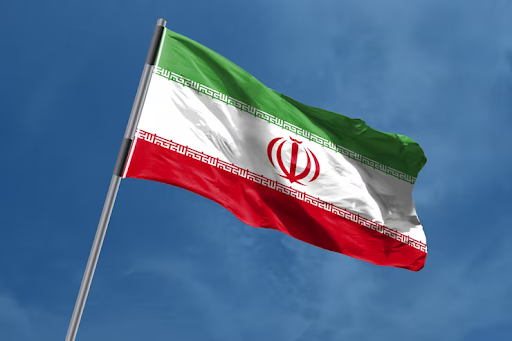
Jared Kushner’s involvement in Middle East diplomacy has spanned years and multiple crises, but his current role as part of the US team engaging with Iran represents perhaps the highest-stakes chapter yet. President Trump named Kushner alongside special envoy Steve Witkoff, Secretary of State Marco Rubio, and Vice President JD Vance as the principal American contacts in what he described as ongoing negotiations with the Iranian side. The composition of this team reflected both the administration’s approach to diplomacy and the personal trust Trump placed in Kushner for sensitive missions.
Kushner’s previous regional work, including the Abraham Accords, had demonstrated his ability to operate outside conventional diplomatic channels and forge connections that traditional State Department approaches had been unable to achieve. These skills would be sorely tested in the current context, where Iran’s leadership was deeply sceptical of American intentions and officials involved in previous negotiations had been targeted and killed. Finding interlocutors willing to engage on the Iranian side, and keeping them safe, was itself a formidable challenge.
Iran’s official representatives denied that any negotiations involving Kushner or other named American officials were taking place. The foreign ministry, military commanders, and other officials all maintained that Trump’s claims of active engagement were false. This denial could reflect genuine disagreement about the nature of preliminary contacts — Iran might acknowledge intermediary communication while refusing to characterise it as “negotiation” — or it could mean that the contacts Trump described were more limited than he suggested.
The stakes of getting this wrong were enormous. A deal struck by Kushner’s team that Iran’s hardliners could subsequently describe as a capitulation to American pressure would be politically devastating in Tehran. A deal that Trump’s domestic critics could characterise as insufficiently firm on nuclear issues or the Strait of Hormuz would face fierce opposition in Washington. Both sides needed a settlement they could credibly present as a win to their respective audiences.
The White House indicated that Trump himself was engaged in the process, claiming contacts at multiple levels of the Iranian government. The involvement of the Vice President suggested the administration was treating the Iran file with the seriousness it deserved. Whether this level of engagement could ultimately produce a breakthrough, given the depth of mistrust and the ongoing military operations on all sides, remained the central unanswered question of the entire diplomatic effort.
