

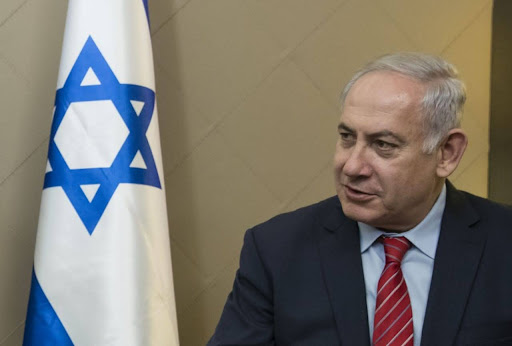
Israeli Prime Minister Benjamin Netanyahu was unequivocal in dismissing Iran’s threats to close the Strait of Hormuz on Friday, calling them an act of blackmail against the entire global community that would not succeed. He combined this dismissal with a military announcement, declaring that Iran’s nuclear program and ballistic missile production had been effectively destroyed after twenty days of fighting. Netanyahu also denied Israeli responsibility for US involvement in the war.
The prime minister spoke about the Trump-Israel alliance with evident pride. He called it the most closely coordinated relationship between two world leaders he had ever seen, while framing Trump as the partnership’s leader and himself as a committed ally. Netanyahu disclosed that Trump had independently formed and articulated his own sophisticated understanding of Iran’s nuclear threat, enriching their shared discussions rather than simply receiving briefings.
Netanyahu confirmed Israel struck the South Pars gas complex alone and acknowledged Trump’s request to pause further attacks on Iranian gas infrastructure. He handled the disclosure gracefully, presenting it as evidence of a mature and communicative alliance relationship. Netanyahu maintained throughout that Israel’s operational autonomy had not been constrained by this or any other diplomatic exchange.
On the Hormuz infrastructure question, Netanyahu proposed overland pipeline corridors from the Arabian Peninsula to Israeli and Mediterranean ports as a lasting solution to the maritime chokepoint. He argued this would permanently neutralize Iran’s ability to threaten global energy markets through the strait. Netanyahu linked this proposal to a broader vision for post-conflict regional development.
Netanyahu’s final remarks addressed the visible breakdown of Iran’s leadership structure. He said the anticipated new supreme leader had not been seen publicly during the conflict and admitted he did not know who was governing the country. Netanyahu concluded that this leadership vacuum, combined with military losses, was driving the war toward a resolution sooner than the outside world currently anticipated.
