

The math is brutal. Iranian Shahed drones cost relatively little to produce. Intercepting them with conventional US air defense missiles costs millions per engagement. Ukraine developed a low-cost drone-based interception system that changes that equation dramatically. The US was offered this system last August and declined. The cost of that decision is now measured in lives and financial resources.
Ukraine’s counter-Shahed technology emerged from operational necessity. When Russia began saturating Ukrainian airspace with Iranian drones, Kyiv had to respond without the luxury of unlimited defense budgets. The result was a family of interceptor drones and supporting systems that can neutralize Shahed-type weapons at a fraction of what American systems spend on the same task. The economic logic alone should have made the US offer irresistible.
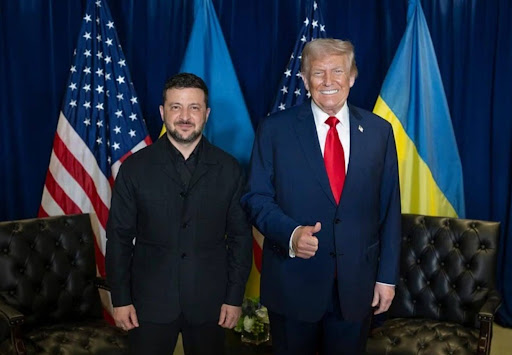
Zelensky’s team made the strategic case at the White House in August. The proposal included a comprehensive plan for establishing drone defense infrastructure across the very regions where American bases are now being attacked. The briefing specifically flagged Iran’s evolving drone capabilities as a growing threat — a warning that proved accurate within months.
Internal politics within the Trump administration appear to have been the primary obstacle to accepting the offer. Officials who reviewed the briefing later acknowledged that Zelensky was perceived by some as advocating too enthusiastically for Ukraine’s interests. That perception translated into inaction, and inaction translated into casualties.
Today’s reality has forced a reckoning. Ukrainian specialists are in Jordan. Teams are deployed across the Gulf. The interception system that was dismissed as unnecessary is now being treated as essential. The only question is how much of the current damage could have been prevented if Washington had listened in August.
