
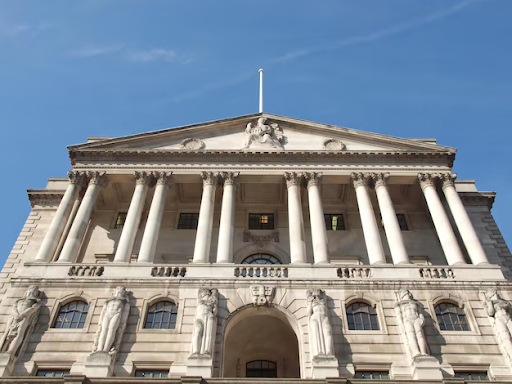
The Bank of England has opted to keep interest rates unchanged at 3.75%, while highlighting that government measures including a rail fare freeze will help drive inflation significantly lower in the coming months. This policy combination is expected to pave the way for future rate cuts.
The committee’s decision was closer than many anticipated, with a 5-4 split showing substantial internal support for immediate easing. Four members believed conditions warranted a cut now, while five preferred to wait for more evidence that inflation is firmly under control. This division follows six previous rate reductions since mid-2024 and suggests the easing cycle remains active.
Governor Andrew Bailey focused on the improving inflation outlook in explaining the hold decision. He projected that inflation would fall back to around 2% by spring, marking a return to the target level after an extended period of elevated prices. Bailey indicated that while current policy settings are appropriate now, there should be room for further rate cuts later in the year as inflation stabilizes.
The economic growth forecast has been revised sharply lower, with the Bank now expecting GDP to expand by only 0.9% this year. This compares unfavorably to the 1.2% growth anticipated in November and reflects multiple challenges facing the economy. The labor market is also expected to weaken, with unemployment projected to climb to 5.3%, higher than previous forecasts of 5%.
The chancellor’s budget measures are having a measurable impact on the inflation forecast. Rachel Reeves’s package includes both utility bill cuts and a rail fare freeze, both taking effect in April, which are expected to significantly reduce cost-of-living pressures. These policies are driving the Bank’s forecast that inflation will fall to 2.1% by mid-2026, well below December’s 3.4% reading and comfortably near the 2% target, offering relief after years of price surges following pandemic disruptions and the Ukraine conflict.
