

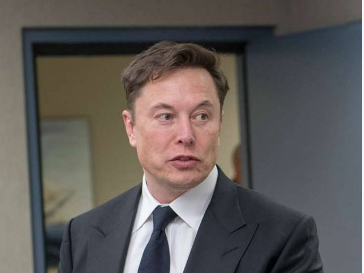
Tesla’s earnings call ended with Elon Musk attacking proxy advisory firms and arguing that his trillion-dollar compensation package is necessary to protect the company’s technological ambitions. The confrontational conclusion came days before shareholders vote on the plan at the November 6 annual meeting.
The quarterly financial discussion had covered Tesla’s progress in AI applications, robotaxi services, and Optimus humanoid robots before Musk’s intervention. His takeover of the call’s ending highlighted his belief that external advisors pose a threat to Tesla’s innovation trajectory.
Musk articulated his position that he requires meaningful voting control to continue leading Tesla’s ambitious projects while remaining subject to shareholder oversight. His comment about ensuring he can “be fired if I go insane” demonstrated awareness of governance concerns while advocating for his compensation package.
The CEO reserved his strongest criticism for ISS and Glass Lewis, accusing them of issuing misguided recommendations that could enable his removal. Musk specifically mentioned his discomfort with building advanced robotics while facing potential ouster based on what he characterized as incompetent advice.
CFO Vaibhav Taneja wrapped up the controversial call by emphasizing the performance-based nature of Musk’s pay package. The CFO stressed that the board designed the compensation to ensure Musk receives nothing unless shareholders see substantial returns, making repeated requests for investor approval of the plan.
