

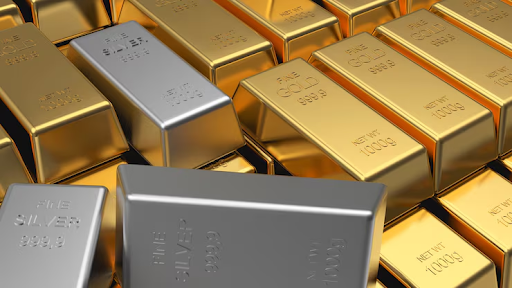
Precious metals markets showed signs of stabilization Monday after experiencing dramatic price swings that had unsettled investors worldwide. Gold climbed back from an 8% crash to $4,465 per ounce, reaching $4,700 by afternoon though still posting a 3.5% decline. The metal had been trading close to $5,600 in recent sessions.
The silver market exhibited similar recovery dynamics, advancing from a 7% fall following Friday’s extraordinary 30% drop to settle at $79.60 per ounce. These movements in precious metals supported Britain’s leading stock index in achieving a historic milestone, breaking through the 10,300 level for the first time and closing at 10,341 after an intraday high of 10,345.
Recent weeks had witnessed both metals setting consecutive records as market participants sought refuge from escalating global conflicts and worries about Federal Reserve political autonomy. The shift began Friday when leadership announced Kevin Warsh, a respected former Fed governor, as the candidate for chairman. Subject to Senate confirmation, Warsh will assume leadership when the current term concludes in May.
Financial strategists view the metals decline as investor confidence that partisan considerations won’t dominate monetary policy decisions. Susannah Streeter from Wealth Club emphasized that Warsh’s deep Federal Reserve background suggests he’ll maintain independence, prompting major repositioning away from protective assets. The volatility spread to industrial metals including platinum and copper, which also experienced price declines.
Broader market movements showed bitcoin gaining 1.8% against the dollar while remaining below $80,000, and oil retreating 4% to about $65.24 per barrel on reduced geopolitical concerns. Analysts at Jefferies explained the selloff cleared speculative positions, with metrics falling substantially, while both precious metals retain impressive gains of 65% for gold and over 120% for silver compared to last year.
