

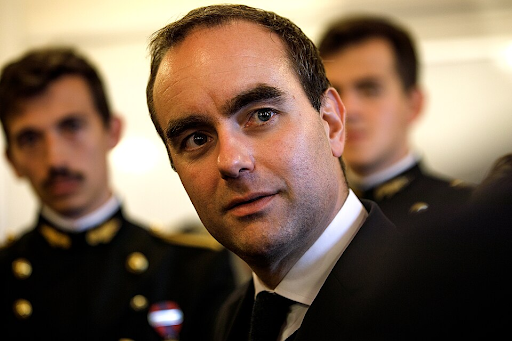
The resignation of Prime Minister Sebastien Lecornu marks a new low in France’s deepening crisis of governance, as he becomes the third consecutive head of government to be forced from office. His stunningly rapid exit highlights a systemic political breakdown that has left the nation seemingly incapable of forming a stable and functioning administration.
The immediate cause of Lecornu’s downfall was the unveiling of his cabinet, a list of ministers that failed to inspire confidence or build political bridges. Instead, it provoked a united front of opposition, which immediately challenged the government’s legitimacy. This episode, however, is merely a symptom of a much larger problem: a complete breakdown of trust between the executive and legislative branches.
This is the third time this dynamic has played out. Lecornu’s predecessors, Francois Bayrou and Michel Barnier, were both ousted by the legislative chamber in standoffs over the government’s spending plans. This recurring conflict over the budget, driven by France’s precarious economic situation and record debt, has created a permanent state of political warfare.
President Emmanuel Macron appears unable to break this cycle. His attempts to appoint prime ministers who can command a majority have repeatedly failed. The swift rejection of Lecornu’s team suggests that the opposition is no longer willing to give any new government the benefit of the doubt, opting instead for immediate and total confrontation.
With the fall of another Prime Minister, France is left searching for a solution to its crisis of governance, but none is in sight. The political system appears trapped in a loop of failed appointments, legislative gridlock, and deepening public frustration, all while the country’s serious economic challenges go unaddressed.
