

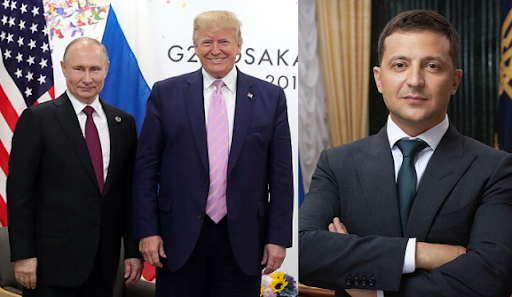
Diplomatic momentum builds as Russia, Ukraine, and the United States confirm participation in high-stakes trilateral talks in Abu Dhabi scheduled for February 4-5. President Zelensky’s announcement of these negotiations has generated cautious hope that sustained diplomatic engagement might produce pathways toward resolving the four-year conflict.
The Ukrainian leader emphasized his nation’s preparedness for substantive discussions designed to achieve meaningful outcomes. Zelensky stated Ukraine seeks dialogue that brings the country closer to a “real and dignified end to the war,” reflecting the complex challenge of pursuing peace while maintaining unwavering commitment to sovereignty and territorial integrity.
These scheduled talks follow a significant diplomatic development initiated by President Trump, who secured a temporary pause in hostilities through direct communication with President Putin. Russia requested this ceasefire extend until February 1, specifically to create conditions favorable for the upcoming negotiations. The timing is particularly significant as Ukraine endures severe winter weather, with temperatures expected to plunge to -20 degrees Celsius.
A critical indicator of both parties’ commitment to diplomacy has been their adherence to the temporary ceasefire on energy infrastructure. Ukrainian authorities confirmed that energy facilities across all regions remained untouched during the designated period, providing vital relief to civilians struggling with widespread blackouts and infrastructure damage. The last recorded attack occurred Thursday when Russia launched ballistic missiles and 111 drones, damaging facilities in Kharkiv.
Nevertheless, substantial obstacles remain, with territorial sovereignty presenting the most formidable challenge. Russia’s demand for control of the Donbas region—specifically Donetsk and Luhansk—directly contradicts Ukraine’s categorical position against ceding any territory. With Russia currently occupying Crimea since 2014 and maintaining partial control over Donetsk, Luhansk, Zaporizhzhia, and Kherson since 2022, resolving this territorial dispute will be central to the success of the Abu Dhabi negotiations.
