

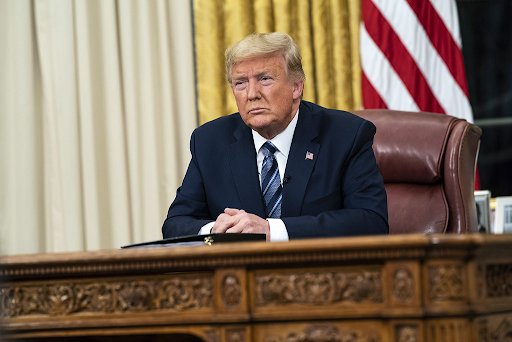
Donald Trump has officially taken the option of West Bank annexation off the table for Israel, declaring in no uncertain terms that he “will not allow it.” This definitive statement from the US President directly confronts the agenda of Israeli far-right politicians who have been clamoring to extend sovereignty over the occupied territory, a move that would effectively end the two-state solution framework.
The announcement was timed for maximum impact, coming as Israeli Prime Minister Benjamin Netanyahu arrived in the US for the UN General Assembly. Netanyahu, who faces immense pressure from ultra-nationalist coalition partners to proceed with annexation, must now navigate this public roadblock set by his most crucial ally. His office has delayed any official response.
Trump’s decision follows a period of concerted diplomatic intervention. European allies, concerned that Trump would recognize Israeli settlements to punish them for recognizing Palestine, engaged in high-level lobbying. They were joined by Arab nations, who warned of “grave consequences” and conveyed the message with an urgency that, according to Saudi officials, was clearly understood by the president.
The core of the issue lies in the 700,000 Israeli settlers residing in the West Bank and East Jerusalem, on land Palestinians seek for a state. These settlements are widely considered illegal under international law. The recent approval of the E1 settlement, designed to divide the West Bank, is a prime example of the actions that have escalated international alarm.
This major statement on the West Bank is interwoven with a new American initiative for peace in Gaza. The US has presented a 21-point plan to end the brutal, nearly two-year war. Trump suggested these parallel diplomatic tracks were connected, noting “very good talks” with regional leaders and expressing hope for a comprehensive deal to return hostages and restore stability to the war-torn region.
